Across the weekend, my Instagram feed was heavily doused with reposts of a post by Stefano Catino, one of the co-owners of Maybe Group, which counts Maybe Sammy, El Primo Sanchez, Dean & Nancy on 22 and other venues among its portfolio.
The post says that the hospitality industry in Australia is broken, calling out payroll tax, the alcohol tax, and the changes to credit card surcharge rules, among other things, as obstacles to running a successful restaurant or bar business.
“At the same time, immigration and workforce changes are making it harder to find people who want to work in hospitality,” Catino wrote. “Venues are carrying higher costs, higher wages and more regulation, while customers are understandably becoming more price conscious.”
And importantly, he says that these challenges will make hospitality operators take fewer risks.
“It becomes harder to invest in a crazy idea, open something genuinely different, or create the next generation of great hospitality venues — because when margins are already so tight, there is very little room to fail.”
And when operators don’t take risks, the culture as a whole suffers.
“Hospitality is a massive part of the identity, culture, and economy of our cities,” he wrote.
It seems a lot of people agree with him. The post racked up a load of engagement across the weekend, with a number of bar operators and bartenders commenting on the post and resharing it.
“I think my post went well because people are looking for someone to speak up,” Catino told Boothby over messages. “We just don’t talk about it, and then the government takes advantage of us. Nobody talks about petrol anymore — it’s $2.90 today. And this stupid credit card surcharge — that small business absorbs it, rather than the big banks, that’s another one.”
Below, I asked Catino to elaborate further on why tough times for hospitality affects the culture at large, what changes governments could make this year to help hospitality, and the global hospo cities that might offer lessons for us in Australia.
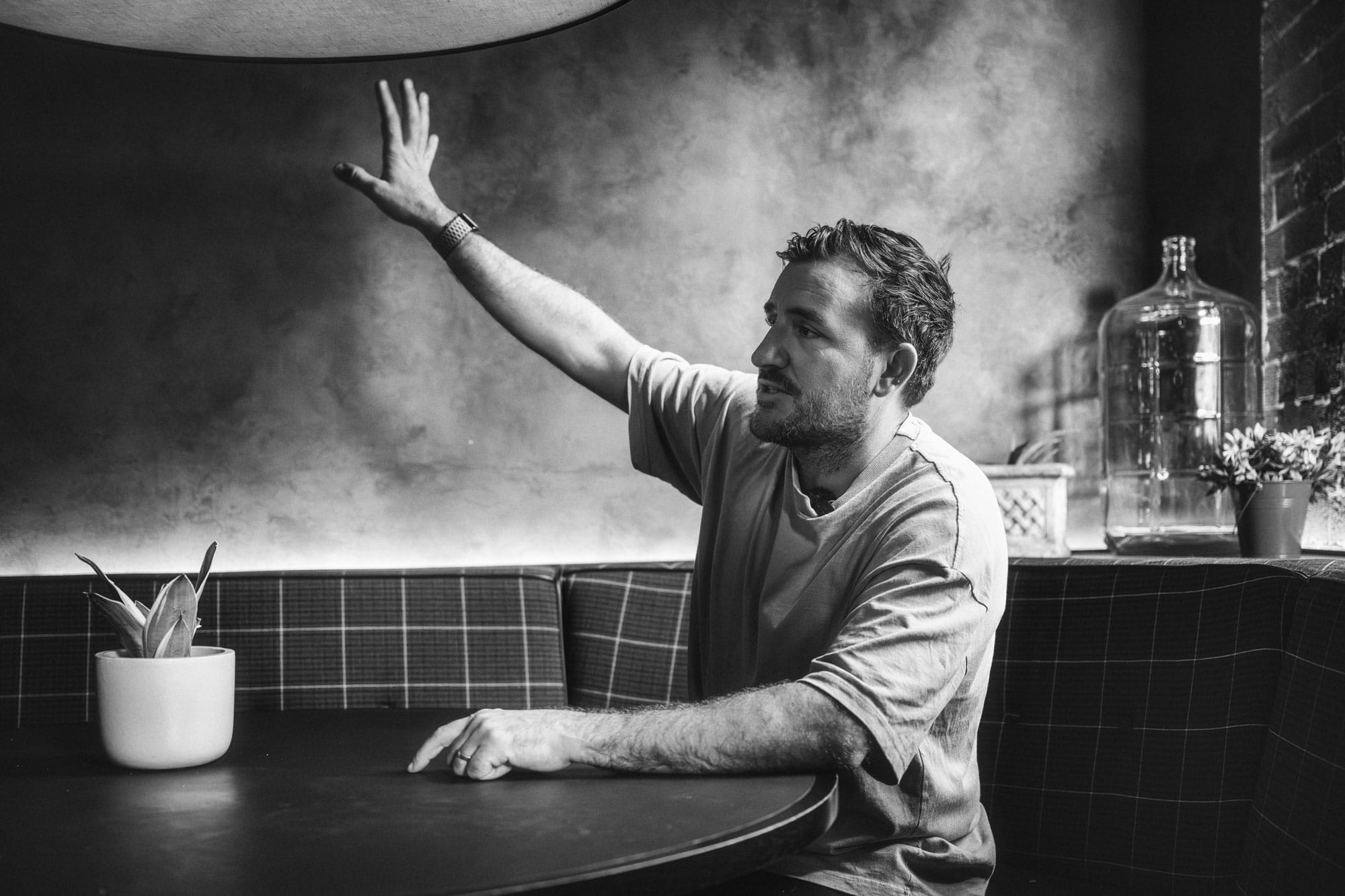
BOOTHBY: Your Instagram post has been reshared and liked by loads of operators. Obviously things are tough for bar operators, but it has never been easy. What is making it tougher now?
STEFANO CATINO: Hospitality has never been easy, and I actually think that is part of what makes it such a special industry. You have always had long hours, high rents, staffing problems and plenty of risk.
What feels different now is the combination of everything hitting at the same time. Lots of it has increased: insurance, rent, food, utilities, and liquor costs have gone up, and there are more taxes and compliance costs. In NSW, for example, payroll tax is currently 5.45 percent on taxable wages above the $1.2 million threshold, and businesses that are part of a payroll-tax group share one threshold.
None of those things individually kills a business. It’s when you put all of them together that the model becomes much harder.
And then there is the customer. We are asking them to spend more because our costs have gone up, but they are also feeling the cost-of-living pressure. So you can’t simply increase your prices by 20 or 30 percent and expect the market to absorb it.
The biggest concern for me is that the industry starts responding by becoming too conservative.
When operators are worried about survival, they naturally stop taking risks. They shorten menus, reduce staff, reduce entertainment, avoid expensive fit-outs, open fewer nights and try to make everything as efficient as possible.
I completely understand why they do it. But if that becomes the culture of the whole industry, we lose something much bigger than individual businesses.
BOOTHBY: You talked a little about operators not taking risks — why is that important for the cultural effect bars and restaurants have?
STEFANO CATINO: Because hospitality is not just about selling food and drinks. Bars and restaurants are part of the culture of a city.
Think about Sydney. Some of the places people remember most aren’t necessarily the places with the highest margins. They’re the places that created an atmosphere, introduced something new, gave people a reason to go out, employed creative people, played different music, brought international ideas here, or created something that didn’t exist before.
That requires someone to say: “Let’s try it.” And sometimes it fails. I’ve opened things that worked and things that didn’t work. That’s hospitality.
But if the environment becomes so difficult that every operator says, “I’m only going to do something if I’m 100 per cent sure it will work,” we’re going to end up with a lot of businesses that are financially safer but culturally much less interesting. I think that’s already something we need to be conscious of.
We shouldn’t romanticise failure — businesses need to make money and employ people properly. But some level of risk is necessary for an industry to evolve.
The next Maybe Sammy, the next great restaurant, the next great neighbourhood bar doesn’t come from someone deciding to play it safe.
BOOTHBY: You travel a lot, and a lot of cities are facing similar challenges — London and Singapore are similar in some respects. Are there any other cities you think we could learn lessons from?
STEFANO CATINO: I don’t think there is one city that has solved hospitality. Every market has its own problems. But travelling has taught me that cities can make very different choices about how much they want hospitality to be part of their identity.
I always look at places like Tokyo, New York, Barcelona, Mexico City and Bangkok. Not because their operating environments are necessarily easier — many aren’t — but because they continue to create strong hospitality cultures. They allow neighbourhoods, bars, restaurants, music, food and nightlife to evolve together.
There is also a lesson in how they treat hospitality as part of the reason people visit a city, rather than simply as another industry that needs to be regulated and taxed.
Australia has an incredible hospitality scene. We have amazing operators, incredible produce, some of the best bartenders and chefs in the world. But sometimes I think we underestimate the value of that.
If someone flies to Sydney, spends money on a hotel, goes to a restaurant, has drinks, sees a show and gets a taxi home, hospitality isn’t just one transaction. It’s part of the tourism economy and part of the city’s identity.
I’d like to see us think about the industry in that bigger way.
BOOTHBY: What would be the number one thing the government could do to ease pressure on hospitality businesses this year?
STEFANO CATINO: For me, there are three big things the government could do.
First, get rid of payroll tax for hospitality. We are a people industry. We need people to operate our businesses, and we should be encouraging businesses to employ more people, not creating another tax that becomes a penalty as you grow.
Second, stop the continuous increases in alcohol costs and taxes. Alcohol is one of the core products of our industry, and the constant increases make it harder for operators to keep prices reasonable for customers while still maintaining a sustainable business.
Third, have a more practical approach to immigration and workforce policy. Hospitality needs workers. Working holiday makers are an important part of our workforce, particularly in bars, restaurants, hotels and tourism. The government already recognises tourism and hospitality as a critical sector for Working Holiday Maker arrangements.
We also have a lot of international students who want to work in hospitality. At the moment, student visa holders are generally limited to 48 hours per fortnight while their course is in session.
I’m not saying we should have unlimited immigration or unlimited working hours. I’m saying the policy needs to reflect the reality of the workforce we actually have and the workforce the industry actually needs.
If Sydney needs more hospitality workers, why wouldn’t we make it easier for people who are legally here, want to work and are willing to work in hospitality to fill those shifts?
We need to find the right balance between protecting Australian workers, having strong immigration rules, and making sure businesses can actually find the people they need.
For me, the government doesn’t need to save hospitality. It just needs to stop making it harder for hospitality businesses to survive and employ people.
The Last Word
Sydney bar Aster — you know, the one blessed with perhaps the best view in the world — is launching a new cocktail list next week. Follow them at @astersydney to learn just when it lands.
The fifth — fifth! — annual Boothby Drink of the Year Awards returns this week, with entries opening soon. For now, take a look at the 2025 Drink of the Year Top 50 right here.
Have you ever wanted to watch Icebergs Dining Room & Bar’s bar manager Matty Opai make a Sgroppino above the waves of Bondi Beach? You can with this entertaining video.
Got a new bar, menu, or guest shift happening in Sydney? Let us know here: tips@boothby.com.au.