Single malt whisky enjoys an exalted status among spirits fans; more than a mere drink, bottles of the good stuff are opened more often than not to share with friends, and mark life’s wins and losses. It’s the stuff of life.
Those bottles can really come to mean something to people. So what is it like to be the person responsible for making those whiskies the best they can be?
Kelsey McKechnie knows what it’s like. As The Balvenie’s malt master, McKechnie (and her nose) are the guarantors of quality whisky, from new make spirit all the way to bottling.
Below, lightly edited and condensed for clarity, McKechnie talks about the responsibility she has as malt master weighed against the many decades of history behind the whisky; she talks about their 50 year planning horizon (and how she takes things day by day), and the hallmarks she looks for in a great whisky from The Balvenie.
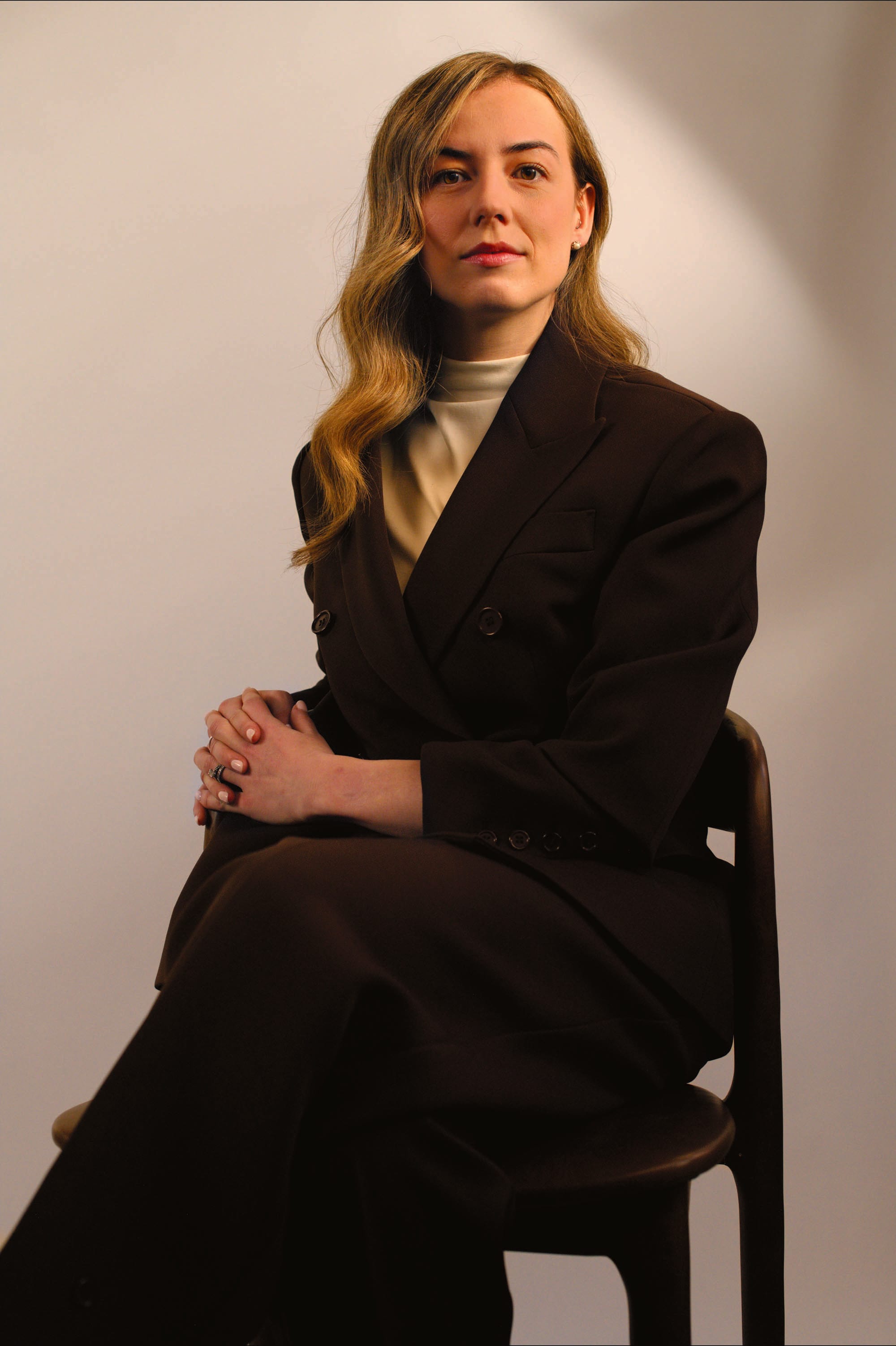
SAM BYGRAVE: How do you conceive of your role? Because a lot of bartenders will have heard about master distiller or master blender roles, but what does it mean to be the malt master for The Balvenie?
KELSEY MCKECHNIE: Funny one, isn’t it? I think a lot of people when they see the title Malt Master, it’s more questions than anything — what do you even do? Who knew that was a job? Basically my role is to look after the quality and the consistency of all of our Balvenie products. That’s from the new make, that beautiful clear liquid, as soon as it runs off the still, right through to all of our maturity inventory. And every and any bottle you see around the world, we need to make sure the flavour profile is perfect. I look after the quality of our maturing stocks to make sure that we’ve got enough liquid to supply our demands around the world and to make sure that we’re teeing up flavour in the right places.
SAM BYGRAVE: That sounds like quite a big role. The Balvenie is one of the whiskies that really got me into Scotch, the 15 year old single barrel sherry cask from a way back. And I fell in love with this thing — it opened up Scotch whisky for me in a different way. How do you think about that? Because it’s a product that you can buy at the bottle shop or or in a bar, sure. But whisky is also a product that people make memories around, and it can actually mean something to people.
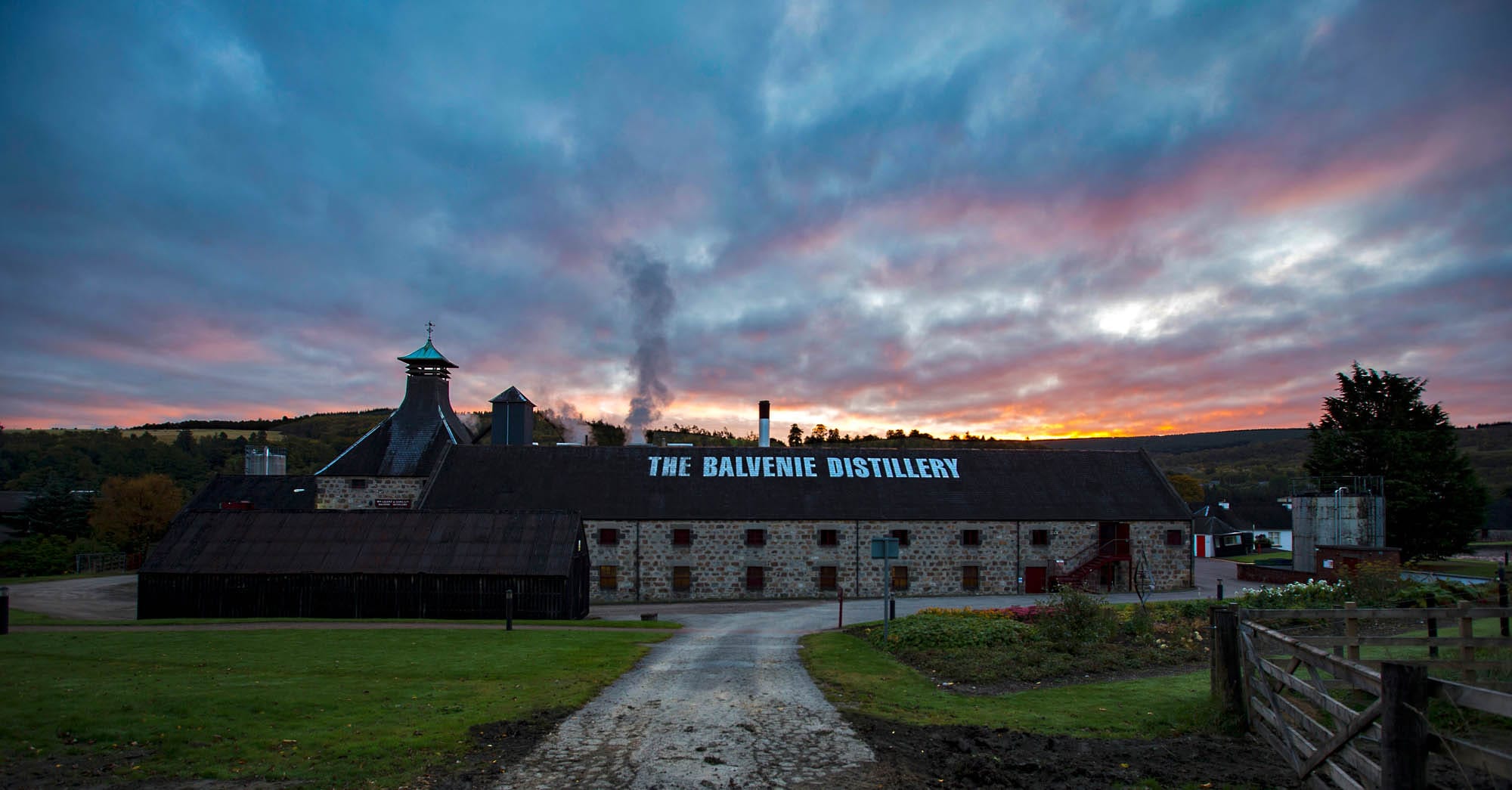
KELSEY MCKECHNIE: Absolutely. I’m fortunate enough to be able to travel into different markets and meet people and it’s amazing the passion and the love that people have for The Balvenie. I definitely see my role as the guardian of quality for a short period of time. But we have hundreds of years of experience behind us. I’m entrusted to look after quality, but I definitely see the brand as so much more than that. If people have been to the distillery, and you see how hands-on we are, how much craft and passion we pour into creating every bottle of The Balvenie, if we are able to recreate that in one way or another so that people can have conversations about the liquid in the distillery or anywhere around the world, for me that’s one of the most important parts.
SAM BYGRAVE: How do you approach that on a day to day? You go to work every day, you do your thing, but there’s that extended meaning that goes with the bottle — is that something that’s in your head day to day, or do you have more pressing concerns on in your mind?
KELSEY MCKECHNIE: It’s probably a little bit of both. We really plan on a 50 year horizon as well. If you sit down and you think about that, you would talk yourself out of doing anything because there’s so many things that we don’t know. And there’s so much that we don’t know about what the world will be like even in five years’ time. So a lot of it is planning for the future that we want.
For me, it’s really taking it day by day.
SAM BYGRAVE: What does that day by day look like? What does a normal week — if there is such a thing — look like for you?
KELSEY MCKECHNIE: It depends. I spend a lot of time at the distillery, but I’m also at our blending room, which is just outside of Glasgow, and our blending room is basically our little hub, where we are able to see the quality samples from all of our distilleries. So a day in the office looks like a lot of nosing. I’ll have a lineup of say 20 to 25 different samples. We reduce the alcohol content down to about 25 percent so that we’re not nosing alcohol, we’re nosing the flavour of the casks or the vat, whatever we’re looking at. At William Grant & Sons, I also do the cask allocation along with the rest of the team as well. There’s a lot of admin, which people might not think about. It’s a lot of using the nose to decide what we’re wanting to do with the liquid, but a lot of cask allocation. We’re constantly chatting with our spirit supply teams to make sure that we’re moving casks into places we want, we’re vatting into the right specialty woods or recasking where we want to. It’s always a busy day, but it’s a lot of fun.
SAM BYGRAVE: You’re doing lots of nosing, but texture these days is such an important thing when it comes to spirits. How do you reconcile the nosing thing with the texture you’re going to get on the palate?
KELSEY MCKECHNIE: We are very fortunate, in whisky especially but anything that’s matured in oak. Fortunately a lot of what we pick up in the nose is what we will pick up in the taste as well. They mirror each other pretty well. If we’re doing one-off batches or we’re doing something cask strength or a bit more curious, and looking for a little bit more detail on the flavour, the texture, the overall mouthfeel of it, we can taste the liquid then. But it happens a lot more infrequently than people expect.
SAM BYGRAVE: What are the hallmarks of a a great Balvenie whisky?
KELSEY MCKECHNIE: There’s probably two things. I am super-focused, along with the rest of the team, on our new make spirit. It’s up for debate, but a third of the flavour, let’s say, is from the spirit itself and two thirds from the oak. So it’s really important that we’re filling fantastic quality Balvenie into really good quality casks.
We can allow it to sit in a warehouse then for 11 to 12 years before we need to do something with it, sampling along the way, but you know they’ll get the best out of one another. So with our new make, we’re looking for a sweet cereal, that lovely Balvenie malting, sweet, malted barley note, on the nose as it matures into runny honey, a little bit of spice. So that beautiful, sweet, toffee aroma, that thread is constantly what we’ll look for in The Balvenie.
And then we’re obviously the home of cask finishing. We’re looking to put a little accent on it, so all of our products will have different personalities, a different style of their own.
Something that is really important for me is that anything people taste and recognise as Balvenie, that they know it to be that beautiful, house style. So while it’s really important for us that we dial up and accentuate those different flavours with cask finishing, we should also have that single thread of The Balvenie house style running through all of our products as well.
SAM BYGRAVE: How do you know when a whisky is ready to be put into a bottle with The Balvenie label on it? And how much of that process is reactive to what’s in the cask and what you’re seeing, and how much of that is planning and looking ahead?
KELSEY MCKECHNIE: I would say, in the nicest way, it’s a lot of spinning plates. That’s how we like to do it. For us it’s really just making sure that we have all of these things lined up. We need to make sure that we’ve got what we call grade one spirit. We have a policy where we don’t fill anything off unless it’s grade one. And by that I mean it has all of the technical markers. So we work closely with our lab on site, making sure that we have all of our organoleptic properties but also, our nose always has the final say. We need a big tick from both of these things, then we can fill off into cask and then we just allow the spirit and the cask to bring out the best of one another.