In partnership with Tequila Tromba
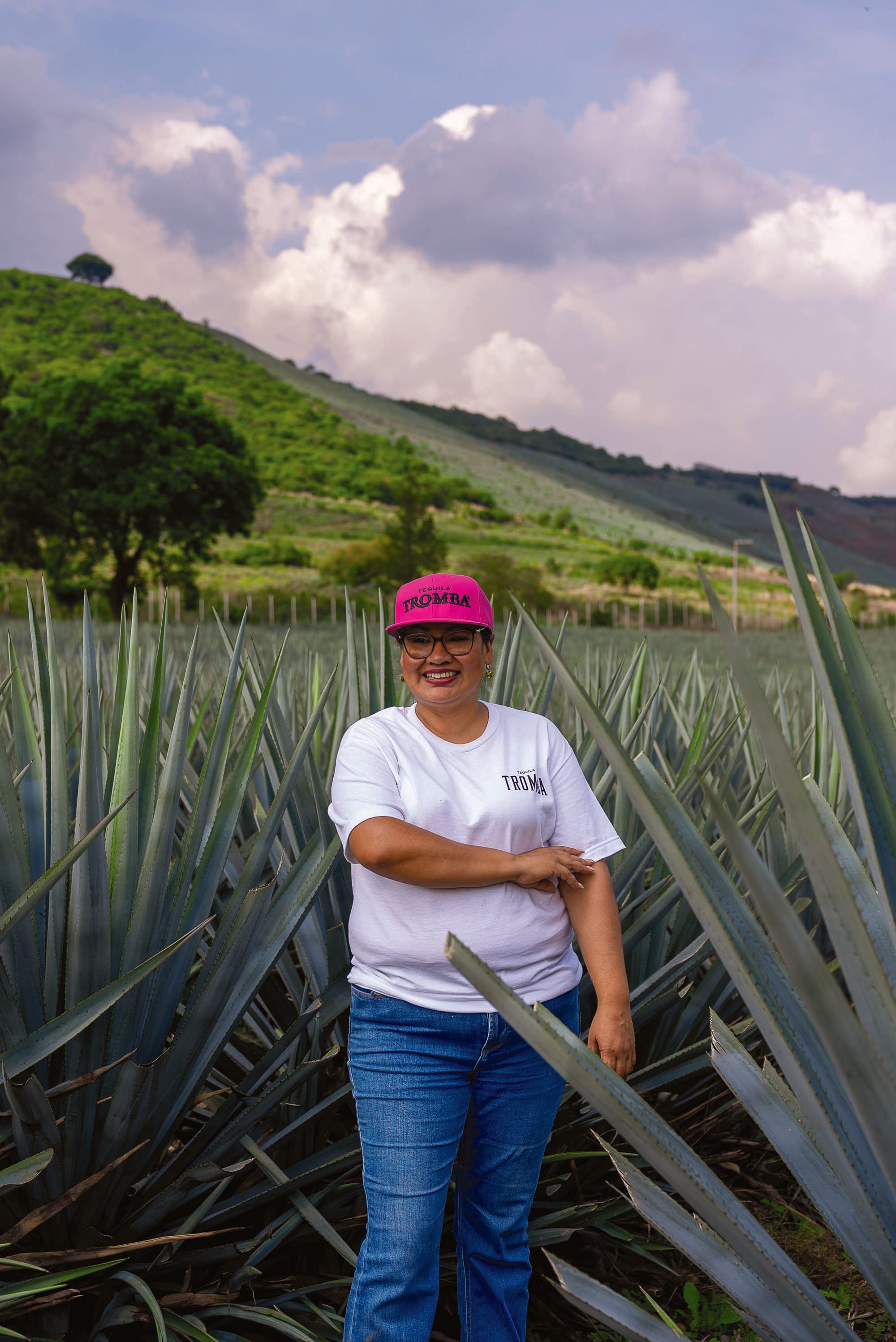
The day is a little overcast, dulling the sun’s heat, if only a little. It’s welcome news, as I trudge up the side of the hill, the steep ascent — and altitude, I’m told — making my lungs work that much harder. The humidity doesn’t help. Around me, the agave farmers don’t break a sweat. They look at all of us — mostly bartenders or Tromba ambassadors in varying degrees of physical fitness — with some amusement as we struggle for breath trudging up and down the hill.
“It’s surprisingly fun,” says Tromba co-founder James Sherry. “Because I know I only have to do it for a day. We’re at a pretty decent altitude — your legs are heavy, you’re sweating bullets, carting agaves around, digging holes, planting plants, avoiding snakes. Just getting our hands dirty.”
I’m not sure that meets my definition of fun.
We’re at La Patrona, in the Highlands of Jalisco — folks from Australia, Canada, and the US — and we’re taking part in an initiative from Tromba’s Mexican team, the Agave Rewilding Project — a program that is part of Tromba’s long-term plan to give back and help to re-introduce some genetic diversity into the local agricultural landscape.
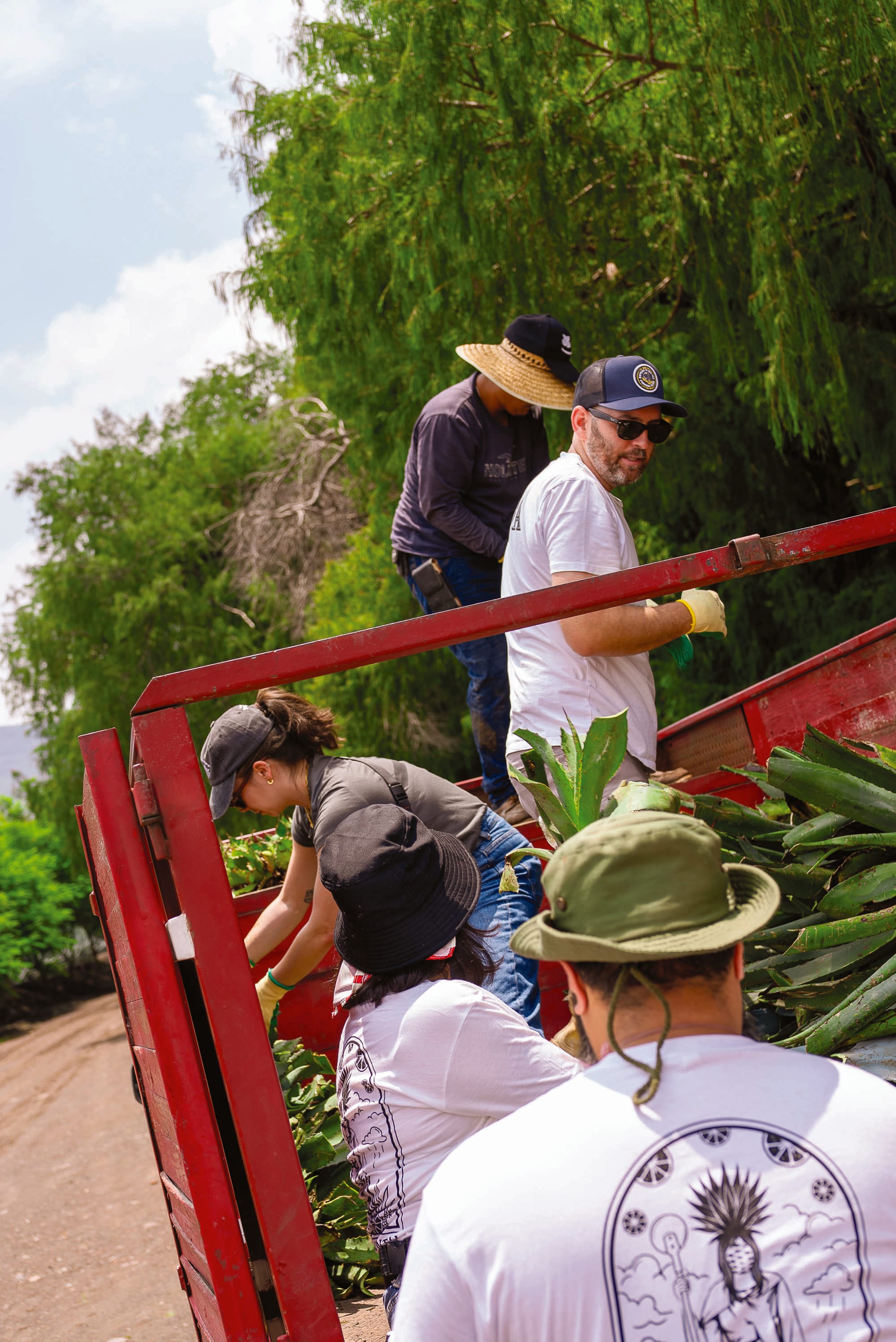
“We’re at what is effectively an agave sanctuary,” says Sherry. “Behind me on the hill is a huge plantation of blue agave, which is owned by the agaveros of La Patrona. This is for tequila production. And everything we’re doing on the other side of the road is to reintroduce endemic species of agave to this area to effectively re-wild and restore the land, and create some biodiversity in the region, which has been lacking since the massive uptake in commercial farming of blue agave.”
How is Tromba made?
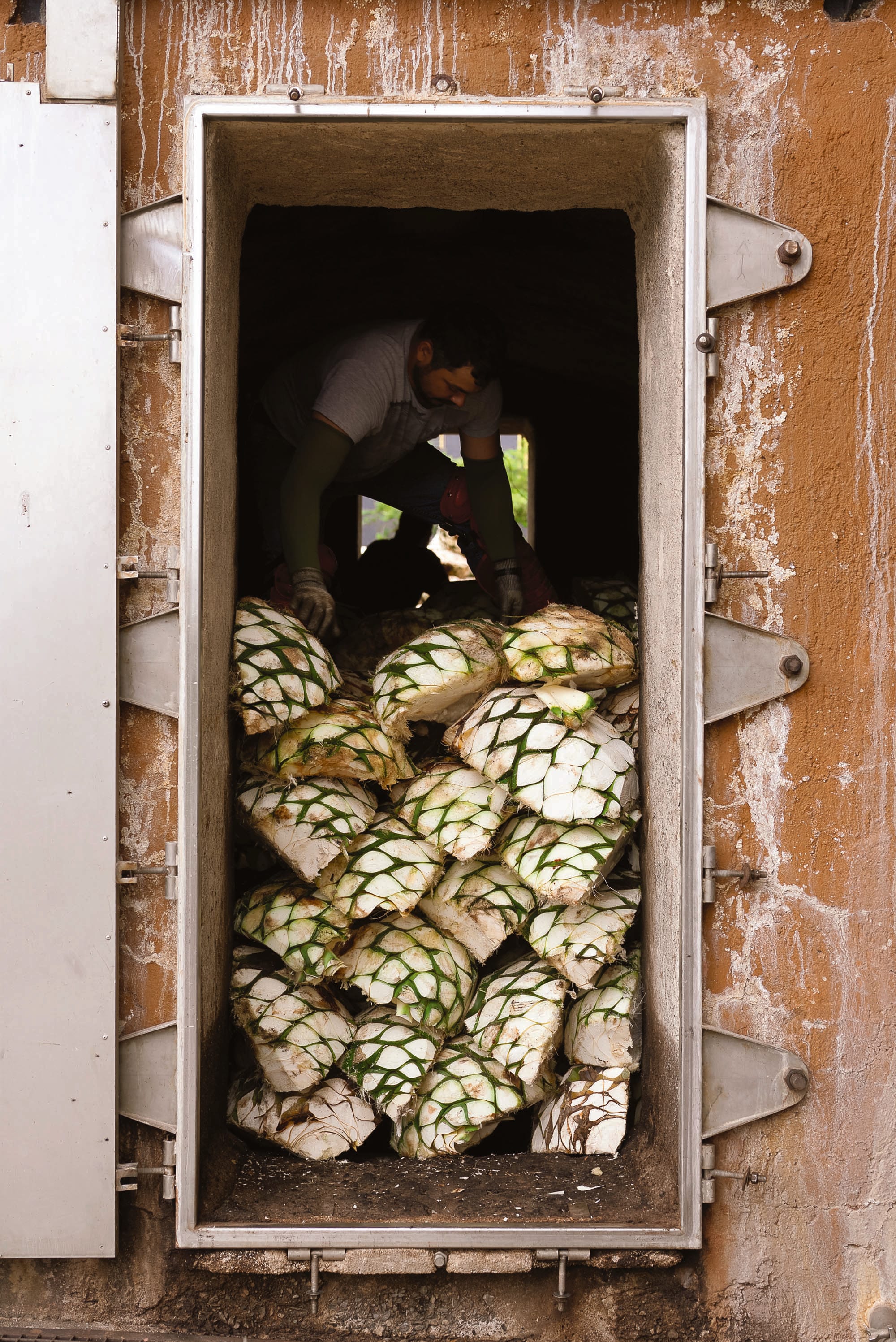
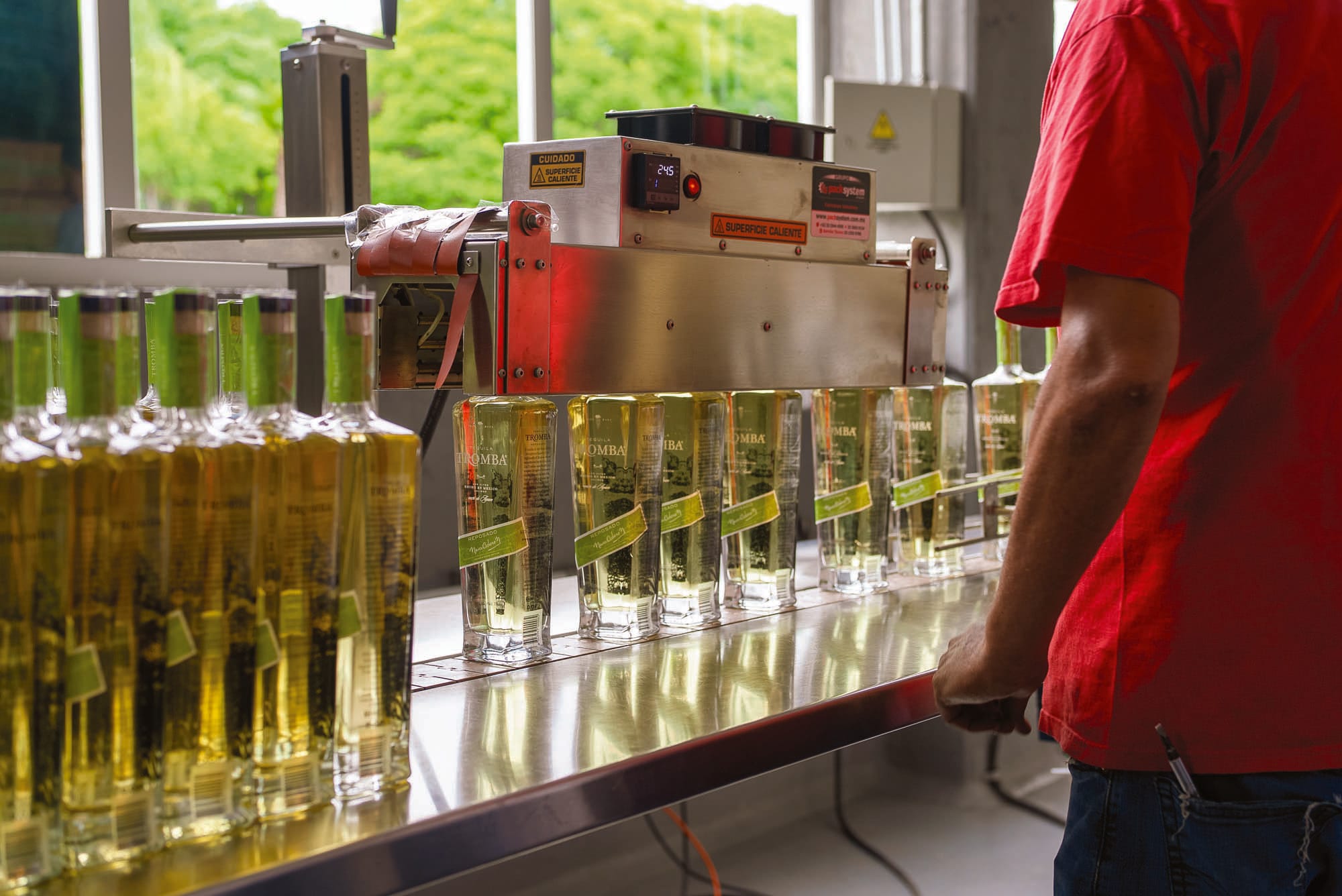
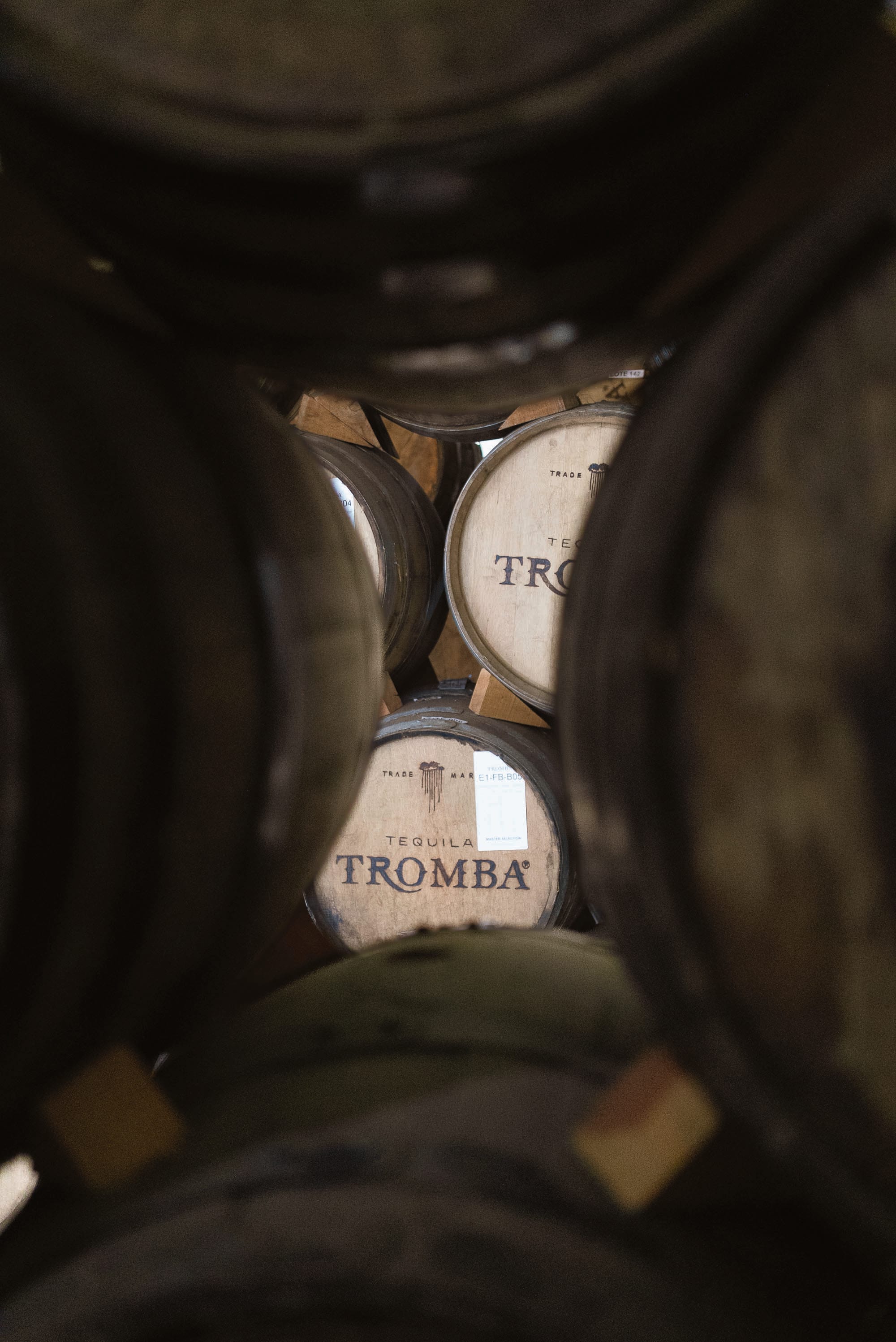
The blue agaves are steamed in ovens, or hornos, for 24 hours, before they’re left to rest in the oven for a further 24 hours. They use a roller mill to grind up the agave fibres before a 72 hour (or so) fermentation with two different proprietary yeasts (each fermented separately), along with ambient yeasts. They use stainless steel pot stills with copper inserts for their two distillations, and ageing happens beneath the distillery in a cellar cut into the hill, where the hottest it gets is only ever 30 degrees Celsius.
Driving from Guadalajara out towards the Highlands you’ll see row upon row of blue agave. It is, of course, the only agave species permitted in the production of tequila. But because agaves for tequila production are harvested before they can flower and produce seeds, and new plants are grown not from seeds but from clones, over the years there has been a reduction in genetic diversity among the plants, which makes them more vulnerable to disease and changing climate conditions, in turn making the livelihoods of these farmers more precarious.
Those fields of blue agave are postcard-worthy; the valleys and hills take on an azure hue as far as you can see. But it also shows just how monocultural the planting of crops in the area is: it’s all blue agave, all the time, everywhere. And that has broader implications for the environment.
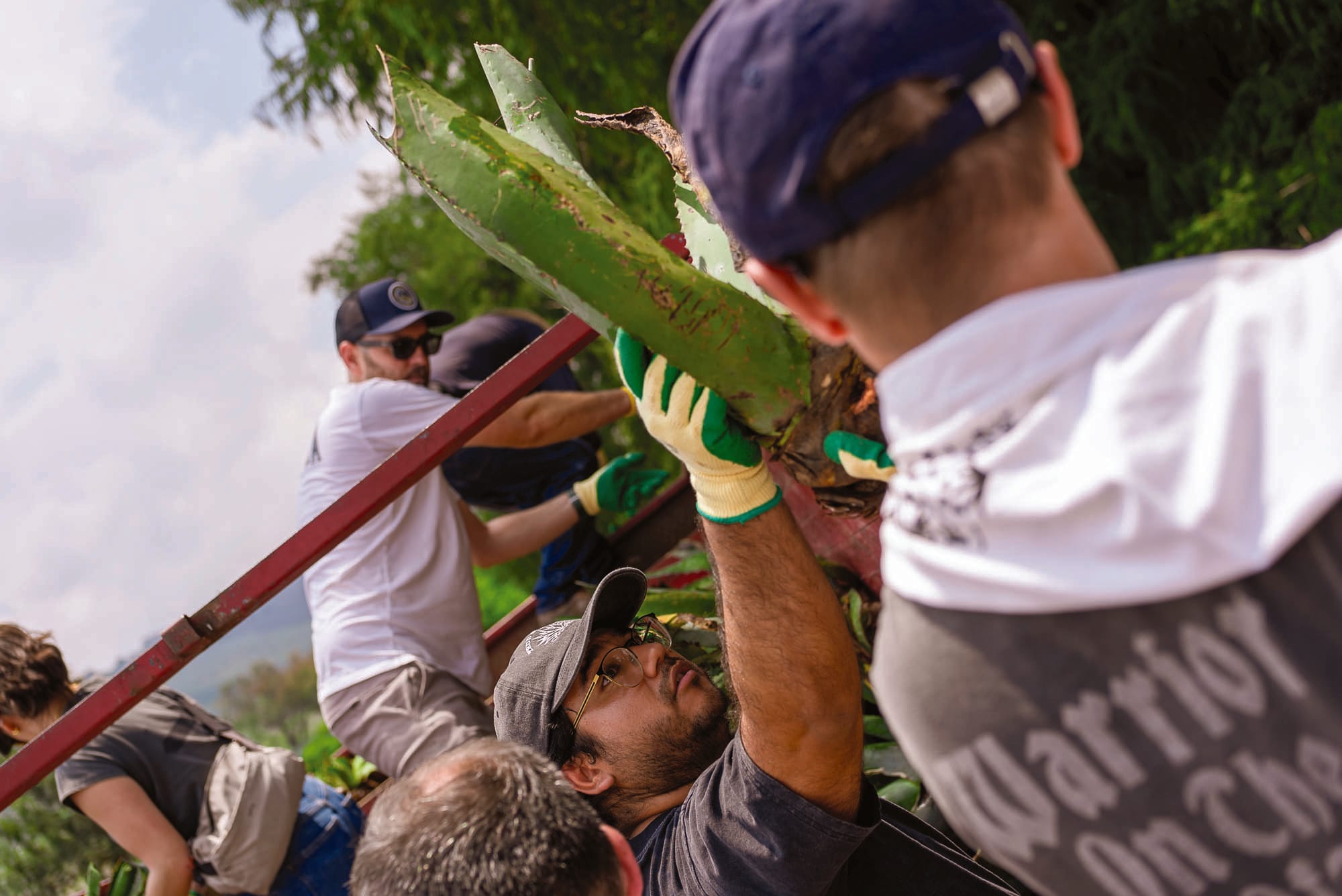
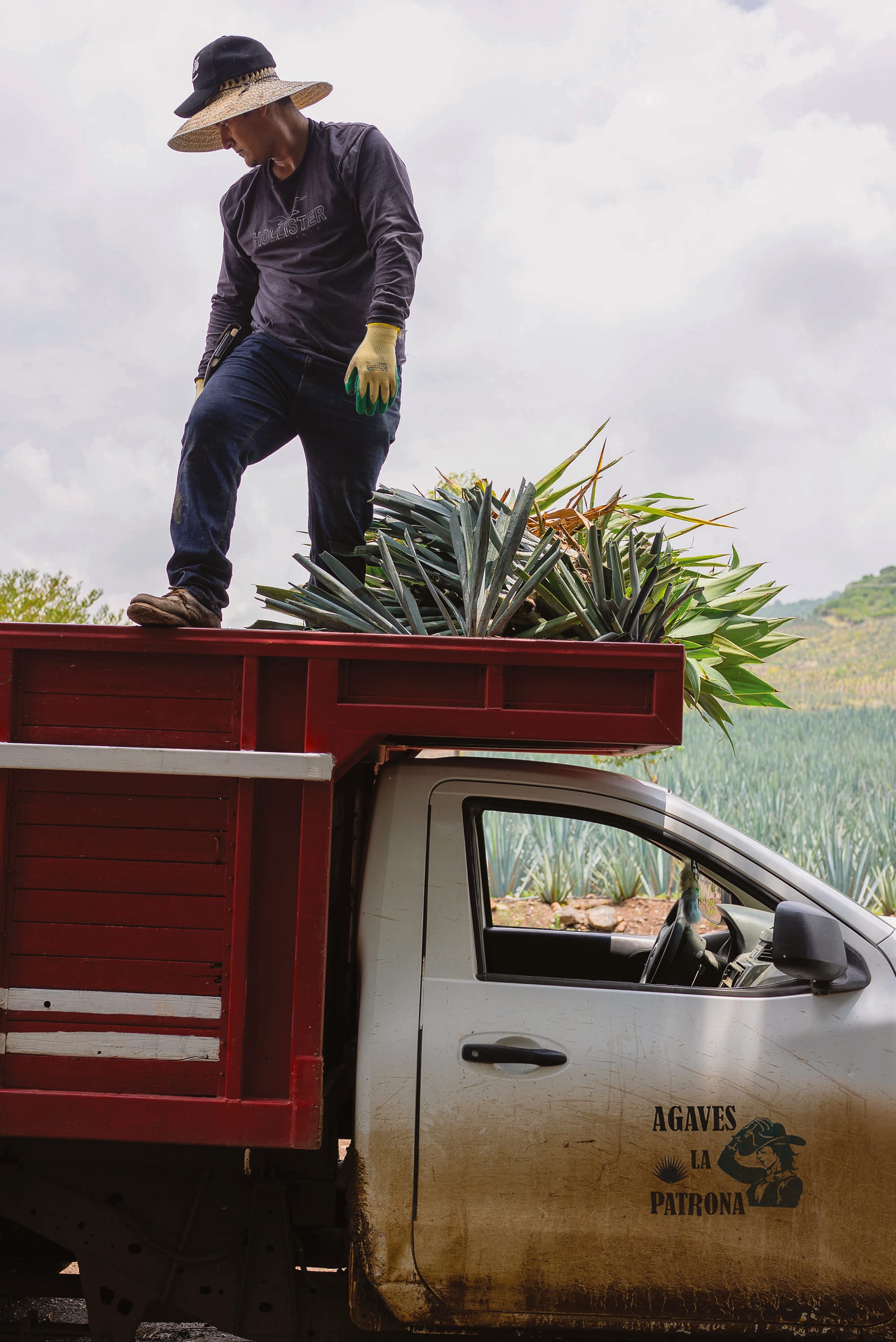
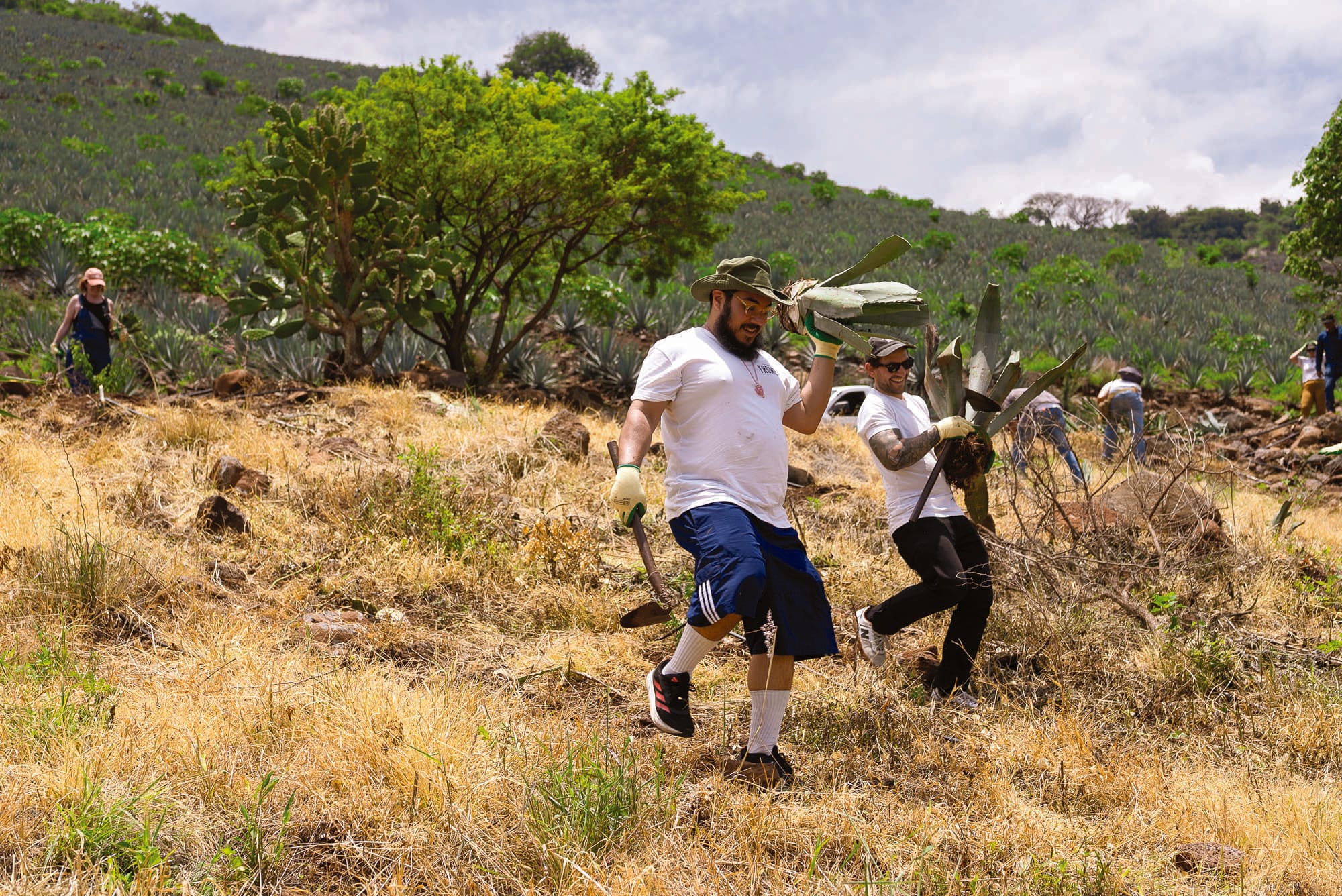
Decades ago, blue agaves were grown in concert with other crops, which makes for a healthier soil, and greater biodiversity. The intense farming, we’re told, has made soil erosion worse, and decreased diversity of flora and fauna.
The Agave Rewilding project aims to bring back some diversity, by re-introducing wild agaves endemic to the area, agaves that will grow and develop and reach maturity, not be cut down for tequila production.
Small brands like Tromba have been instrumental in the surge of interest in agave spirits, so it’s refreshing to see them looking ahead and making an effort to look after the land.
“It’s nice to put some plants into the ground after we’ve taken so many out over the years,” Sherry says. “We’ve had 16 years worth of blue agave coming out of the ground to go into bottles of Tromba tequila. It’s pretty satisfying to put some agave back into the ground and, even though we’re a small brand, try to take some responsibility for our impact on the environment.”
How Tromba began
Tequila Tromba started in 2010, when two school mates — Nick Reid and James Sherry — partnered with Canadian Eric Brass and master distiller Marco Cedano to create a tequila of quality, one that reminded them of their experiences travelling around Mexico, one they could bring back to Australia at a time when finding quality tequila was far more difficult. For Cedano, despite having helped create the original recipe for Don Julio in the 1980s as its then master distiller, Tequila Tromba would be the first time he actually owned a brand he made.
Cedano has since stepped back from the day to day of creating Tromba, but his longtime colleague, Lilia Quintero, is now in charge of the spirit, having worked side by side with Cedano for 15 years.
For more information, or to get your hands on a bottle, contact your Altus Brands representative or visit @altus.brands.